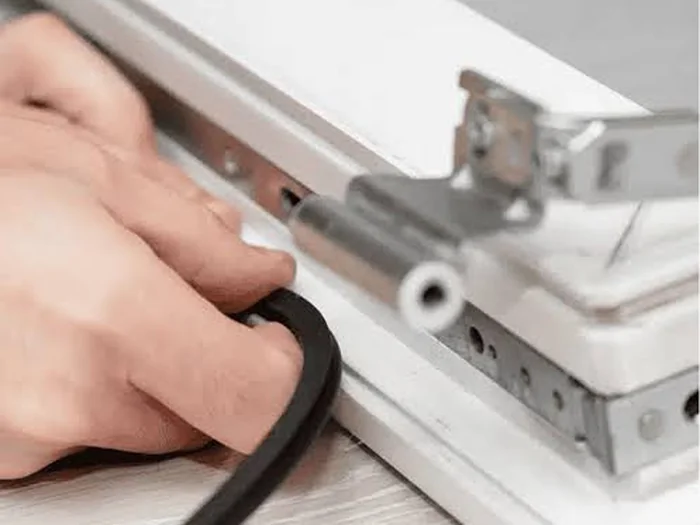
Detail of an aluminium sliding door frame profile and multi-point lock
Blog · Brand Guide
Sliding & Bifold Door Brands in the UK: A Repairer's Perspective
When you are researching sliding or bifold doors, brand names come at you fast. Origin, Smart Systems, Reynaers, Schüco, Vufold, Express Bifolds — the list goes on, and every manufacturer's website will tell you their system is the best. We are not going to do that. Instead, here is a repairer's-eye view: what our network's specialists actually see in UK homes, which systems hold up well, and — more importantly — what matters more than the brand name on the frame.
Why a Repairer's Perspective Matters
Most door brand comparisons are written from the perspective of selling new doors. They focus on aesthetics, thermal performance figures from laboratory tests, and warranty length. All useful information — but it does not tell you what the door will be like to live with five, ten, or fifteen years down the line.
Our network's specialists repair doors across the UK every day. They see which systems develop what faults, which ones are straightforward to fix and which ones are not, and which ones still have parts available when they are a decade old. This article draws on that collective experience — not to rank brands (which would be meaningless, because every installation is different), but to give you a realistic sense of what matters and what does not.
Important: We are not affiliated with, endorsed by, or partnered with any door manufacturer. The brand names mentioned below are referenced purely as examples of systems commonly seen in UK homes. This is independent editorial commentary based on repair experience, not marketing.
Aluminium Sliding & Bifold Systems
Aluminium is the dominant material in the mid-to-premium segment of the UK sliding and bifold door market. It allows for slimmer frame profiles than uPVC, meaning more glass and less frame — the clean, contemporary look that most homeowners want. The major UK-market aluminium door systems include Origin, Smart Systems (including the Alitherm range), Reynaers, and Schüco, alongside direct-to-consumer brands like Vufold and Express Bifolds.
From a repair perspective, the aluminium systems our specialists encounter most frequently are well-engineered and generally repairable. The key hardware components — rollers, hinges, locks, and handles — are accessible and can be replaced individually. This is important: when an aluminium bifold door develops a fault, you are almost never looking at replacing the whole door. You are looking at a specific component replacement or adjustment.
The main difference our specialists observe between premium and budget aluminium systems is in the hardware quality. Higher-end systems tend to use stainless steel roller bearings and hinge components, which resist corrosion better and maintain smooth operation for longer. Budget aluminium systems may use mild steel hardware with a surface coating — functionally fine when new, but more susceptible to corrosion over time, particularly in coastal locations. This is not a criticism of budget systems — they serve a real market need — but it is a factor worth understanding, especially if you live near the coast. Our Southampton and Brighton city pages discuss coastal door wear in more detail.
One practical consideration our specialists flag: some aluminium systems use proprietary hardware that can only be sourced from the system manufacturer, while others use standard industry components available from multiple suppliers. Proprietary hardware is not inherently worse — it is often very well made — but it can mean longer lead times for replacement parts and fewer alternative sourcing options. If you are buying new doors, it is worth asking the installer whether the system uses proprietary or standard hardware, and what the typical lead time is for replacement parts should you need them down the line.
uPVC Sliding & Patio Door Systems
uPVC patio doors account for a huge share of the installed base in UK homes — particularly in properties built or renovated between the 1980s and early 2000s, when uPVC double glazing was the default choice for replacement doors. The uPVC market is more fragmented than the aluminium market, with dozens of system companies having supplied doors over the decades. This fragmentation has one major implication for repairs: parts availability.
For current, widely-installed uPVC systems, spare parts — rollers, locks, handles, seals — are generally available through trade suppliers. For older or discontinued uPVC systems, particularly those installed before the mid-1990s, parts can be harder to source. Handles are a common pain point: older uPVC patio doors often used handle designs with specific screw centres that are no longer manufactured, meaning the specialist may need to source a compatible replacement rather than an identical match. This is not usually a functional problem — a compatible handle works just as well — but it is worth understanding that an older uPVC door may not accept a visually identical replacement handle.
The good news is that the core wear components on uPVC patio doors — rollers, seals, and gearboxes — are relatively standardised and widely available. A roller replacement or seal replacement on a uPVC door is typically straightforward regardless of the original manufacturer. The door's age matters more than its brand: a 25-year-old uPVC door from any manufacturer will have worn components that need attention, but those components can usually be replaced.
What Actually Matters More Than Brand
If our network's specialists could give one piece of advice to anyone buying new sliding or bifold doors, it would be this: the installation matters more than the brand. Here is what really drives long-term reliability and low maintenance:
Installation Quality
A bifold or sliding door installed even a few millimetres out of square will wear its rollers and hinges unevenly, drift out of alignment faster, and potentially let in draughts from day one. A perfectly square installation, with the frame correctly shimmed and sealed, gives the hardware the best possible starting point. This is not brand-dependent — it is installer-dependent. When you get quotes, ask about the installation process, not just the door specification.
Hardware Specification
The hardware — rollers, hinges, locks, handles — is the part of the door that does the work. Stainless steel hardware resists corrosion better than coated mild steel. Rollers with sealed ball bearings run more smoothly and last longer than basic nylon-on-metal designs. These are specification choices, and they are often upgrade options even within the same door system. Ask your installer what hardware is included as standard and what the upgrade options are — the incremental cost at purchase is usually modest compared to the cost of replacing worn hardware later.
Glass Unit Quality
The sealed glass units in your doors will probably fail before the frame does. A good-quality unit with a warm-edge spacer bar, argon fill, and a low-E coating will perform better thermally and resist misting longer than a basic unit. The glass specification is independent of the frame brand — most door systems can accept a range of glass specifications. For more on glass options and misted unit replacement, see our glass replacement page and the energy efficiency guide.
Aftercare & Maintenance
Every door — from a £1,500 uPVC patio slider to a £7,000 aluminium bifold — benefits from basic maintenance: cleaning the tracks, lubricating the moving parts, checking the seals. A door that gets a quick service every couple of years will outlast one that is ignored until something breaks. Some installers offer a maintenance service; if yours does not, our network's specialists can carry out periodic servicing. See our troubleshooting guide for the maintenance routine we recommend.
Spare Parts & Repairability by System Type
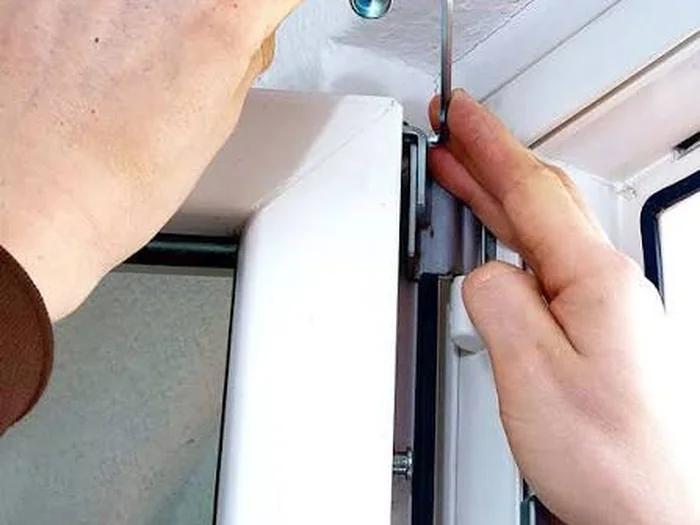
Aluminium and uPVC door frame profiles showing thermal break construction
One of the most practical questions you can ask about any door system is: how repairable is it? A door that can be kept in service for 25 years with occasional component replacements is a better long-term investment than one that needs a full replacement the first time something fails.
In general, the current generation of major UK-market aluminium bifold and sliding door systems are well-supported for spare parts. Rollers, hinges, locks, handles, and seals are available through trade suppliers, and our specialists can source them. The repairability advantage of aluminium systems is that the frame itself is extremely durable — the aluminium profiles, if not physically damaged, will outlast multiple sets of hardware. A 15-year-old aluminium bifold with worn rollers is not a candidate for replacement; it is a candidate for a roller swap. The economics of this are compelling: a £150 roller replacement versus a £4,000-plus door replacement.
For uPVC patio doors, the frame material itself is less durable than aluminium — uPVC can become brittle and discoloured over decades — but the doors are still highly repairable for their typical service life. The most common parts — rollers, locks, handles, and seals — are widely available. The point at which a uPVC door becomes uneconomical to repair is usually when the frame itself has degraded, not when any individual component has failed. Our cost guide covers the repair-versus-replace economics in detail, and our installation service handles full door replacement when that point is reached.
Mid-article takeaway: Brand reputation matters, but it is not the best predictor of how a door will age. Installation quality and hardware specification are stronger predictors. And if you already have a door that is playing up — regardless of brand — the overwhelming likelihood is that it can be repaired rather than replaced.
Get a Free AssessmentQuestions to Ask an Installer
If you are in the market for new sliding or bifold doors, here are the questions our specialists suggest you ask any installer before signing a contract. These go beyond "which brand is this?" and get at the things that actually affect long-term ownership:
- "What hardware specification does this price include — are the rollers and hinges stainless steel as standard, or is that an upgrade?"
- "If I need a replacement part in five or ten years, is the hardware proprietary to this system or can it be sourced from multiple suppliers?"
- "What is your installation process for ensuring the frame is perfectly square and level — do you use a laser level, and do you check the opening before fitting?"
- "What glass specification is included — is it toughened safety glass (required for doors), does it include a low-E coating, and what is the U-value of the unit?"
- "Do you offer a maintenance or servicing package after installation, or can you recommend someone who does?"
- "What is the warranty on the hardware — not just the glass and frame, but the moving parts specifically?"
Frequently Asked Brand Questions
Which sliding door brand is the most reliable in the UK?
Rather than naming a single 'most reliable' brand — which would be misleading because reliability depends heavily on installation quality — we can say that the major UK-market aluminium systems (including Origin, Smart Systems, Reynaers, and Schüco) have generally good long-term track records when installed correctly. What our network's specialists observe is that a well-installed door from a mid-market system will often outlast a poorly installed door from a premium system. The single biggest factor in a sliding or bifold door's long-term reliability is the quality of the installation — specifically, whether the frame was fitted perfectly square and level. A door installed even slightly out of true will wear its hardware faster, regardless of brand.
Are spare parts available for older sliding door brands?
Spare parts availability varies significantly by brand and door age. For the major current UK-market systems — Origin, Smart Systems, Reynaers, Schüco, and the larger uPVC system companies — rollers, locks, handles, and seals are generally available through trade suppliers. For discontinued systems or older doors (particularly those installed before 2000), parts availability is more hit-and-miss. Some older uPVC patio door locks and handles are no longer manufactured, though compatible replacements can often be sourced. The best way to determine whether parts are available for your specific door is to have a specialist inspect it — they can identify the system from the hardware markings and advise on parts availability before you commit to any work.
Does a more expensive door brand mean fewer repairs over time?
Not necessarily. Premium aluminium systems from well-known brands do typically use higher-grade hardware — stainless steel hinges and roller bearings, for example — which can extend the service interval between adjustments and replacements. However, a premium door still relies on the same types of moving parts (rollers, hinges, locks, seals) as any other door, and those parts will eventually wear regardless of the price tag. A more meaningful differentiator than brand name is the quality of the hardware specification: stainless steel vs mild steel components, the type of roller bearings used, and whether the seals are EPDM rubber (which resists UV degradation better than cheaper alternatives). These are things a good installer will discuss with you, and they matter more for long-term maintenance than the brand logo on the frame.
Need an honest assessment of your doors?
Whatever brand is on your frame, our vetted local specialists can diagnose the issue and give you repair-first advice — no hard sell, no unnecessary replacements.
Get a Free Quote