Patio Door Repair Across the UK
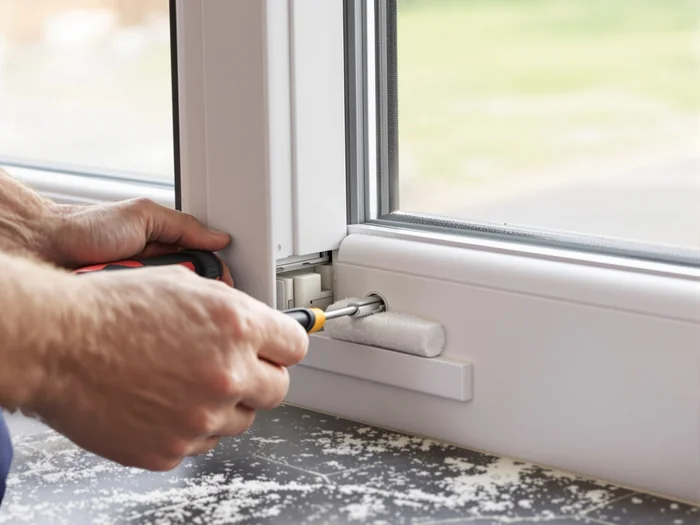
Adjusting a uPVC patio door at floor level — where most patio door faults begin
Patio doors are the most common sliding door type in UK homes — and they take a lot of daily use. Every push open, every pull closed, every change in temperature and humidity puts wear on the rollers, track, locks, handles, and seals. When a patio door starts sticking, dragging, or letting in draughts, it quickly moves from a minor annoyance to a daily frustration.
Our network of vetted independent specialists repairs patio doors across all common makes and configurations — two-panel, three-panel, uPVC, and aluminium — in 14 major UK cities and their surrounding areas. Whether your patio door has a loose handle, a jammed lock, misted glass, or simply will not glide the way it used to, we can connect you with a local specialist who has the right experience and parts to fix it properly.
Every patio door repair begins with a thorough assessment. The specialist will not just treat the symptom — they will find the root cause, explain it to you in plain language, and give you a transparent quote before any work starts. There is no callout fee and no obligation to go ahead.
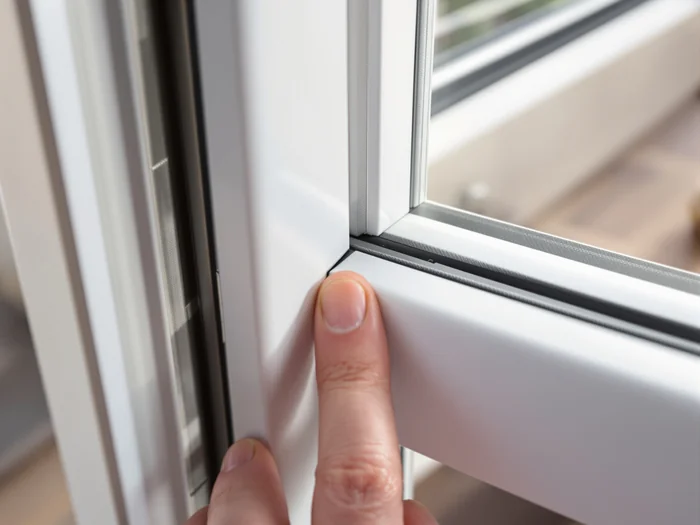
Testing the interlock gap on a patio door — a tell-tale sign of alignment drift
Common Patio Door Faults
Patio door faults tend to follow predictable patterns. The most frequent issue is a door that won't slide smoothly — almost always caused by worn or collapsed rollers. But locks that jam, handles that go floppy, misted glass, and draughts from perished seals are all common as patio doors age past the 10-15 year mark.
The faults below cover the range of issues our specialists encounter across the UK. Each has a targeted fix, and very few require a full door replacement. Click through to linked services for detailed coverage of specific repairs.
Won't slide smoothly — dragging, grinding, or sticking
The single most common patio door complaint. Worn or collapsed rollers are usually the culprit — the small wheels that carry the door's weight degrade over time, the bearings fail, and the door sinks slightly onto the track. Dirt and debris in the track compound the problem. The fix is typically a roller replacement and thorough track cleaning, which restores the door to smooth, quiet operation. This is usually a single-visit repair.
Handle is loose, floppy, or broken
Patio door handles take a lot of mechanical force — every time you pull the door open, you are putting load through the handle. Over time, the internal spring mechanism weakens, the handle becomes loose and floppy, and eventually it may stop engaging the lock mechanism at all. A replacement handle, matched to your door's make and profile, restores proper function. See our handle replacement service for more.
Lock is jammed or will not engage
A patio door that will not lock is a security concern. The problem could be a worn lock cylinder, a broken internal mechanism, or an alignment issue where the door has dropped slightly and the lock tongue no longer lines up with the keep. Our specialists can diagnose the cause and carry out a lock repair or full lock replacement as needed. See lock replacement for details.
Misted or condensation between glass panes
If the double-glazed unit in your patio door has misted up — condensation visible between the two panes of glass — the sealed unit has failed. The hermetic seal around the edge of the unit has broken, moisture has entered, and the insulation performance is compromised. The unit can be replaced without replacing the whole door frame. Our glass replacement service handles exactly this.
Cold draughts around the door
Draughts mean the door seals — the rubber or brush strips around the edge of the panel and frame — have perished, compressed, or come loose. Replacing worn seals is a straightforward job that eliminates draughts, reduces heat loss, and keeps out noise and driving rain. In some cases, the draught is caused by the door being out of alignment rather than the seals themselves; a specialist will identify which it is. See seal and draught repair.
Door has dropped and catches on the frame
A dropped patio door is almost always down to roller failure. Once the rollers lose height, the door drops by a few millimetres — enough to catch on the frame or threshold. This not only makes the door hard to operate but also puts strain on the lock and handle mechanism. The fix is roller replacement and height adjustment to restore the door to its correct position.
Patio Door Repair Near You
When you search for "patio door repair near me" or "upvc patio door repairs near me," you need a specialist who is local, available, and experienced with your type of door. Our matching service connects you with a vetted independent specialist in your area — someone who knows the common patio door types in your region and can get to you promptly.
The process is straightforward: you provide your postcode and describe your door problem, and we match you with a local specialist who has the right experience. Many patio door repairs are completed in a single visit because our specialists carry common rollers, locks, handles, and seals for the most popular patio door brands and profiles. If a more unusual part is needed, they will source it and return to fit it.
Our network covers Manchester, Birmingham, Leeds, Liverpool, Bristol, Sheffield, Newcastle, Nottingham, Leicester, Southampton, Brighton, Glasgow, Edinburgh, Cardiff, and their surrounding areas. London homeowners are served by our dedicated sister site.
uPVC and Aluminium Patio Doors
uPVC Patio Doors
uPVC patio doors account for the vast majority of installations in UK homes from the 1990s onwards. They are affordable, widely available, and generally reliable — but they do have known failure points. The rollers in uPVC doors tend to be lighter-duty than those in aluminium systems, so they wear out over time. The rubber gaskets and seals shrink and lose flexibility after years of sun exposure and temperature cycling, leading to draughts. The door can drop out of alignment as the frame expands and contracts. All of these are repairable faults. A typical uPVC patio door repair involves roller replacement, seal renewal, and alignment adjustment — work that can often be done in a single visit.
Aluminium Patio Doors
Aluminium patio doors — often found in homes built or renovated from the 1970s through to the early 2000s — are more robust than uPVC but have their own wear patterns. The aluminium track can develop surface corrosion over decades, especially in coastal areas. The rollers, while heavier-duty, still seize or collapse with age. Older aluminium sliders are particularly prone to track wear because the roller design of that era was not as refined as modern systems. The good news: roller replacement and track refurbishment can bring an old aluminium patio door back to smooth operation, often at a fraction of replacement cost. If you have an older aluminium patio door and are told it needs replacing, get a second opinion — it may well be repairable.
Repair vs Replacing Your Patio Doors
Replacing a patio door is a significant investment — typically several times the cost of even a substantial repair. For most faults — worn rollers, broken locks, failed handles, perished seals, misted glass units — repair is the sensible choice. A roller replacement or lock repair can give an otherwise sound patio door years of additional service at a fraction of the cost of a full replacement.
Replacement makes sense in a limited set of circumstances: if the door frame is structurally damaged (a badly warped uPVC frame or severely corroded aluminium), if the door is single-glazed and you are upgrading to double glazing for energy efficiency, or if the door is genuinely beyond economic repair due to multiple simultaneous failures. In these cases, our specialists can advise on new door options through our new door installation service. But they will never push for a replacement where a repair will do the job — their reputation depends on honest advice.
How Our Patio Door Repair Works
Tell us about your patio door
Describe the problem, the door material (uPVC or aluminium), and your postcode. We match you with a local specialist who has the right experience for your door type.
Get a diagnosis and transparent quote
The specialist visits, inspects your patio door, identifies the root cause, and provides a clear, itemised quote. No callout fee, no obligation.
Repair is carried out
If you are happy with the quote, the specialist completes the repair — often on the same visit. Common parts are carried as stock, so many jobs are done in a single appointment.
Door tested and handed over
The specialist tests the door thoroughly — sliding, locking, checking for draughts — and explains what was done. Workmanship is guaranteed.
Frequently Asked Questions
Common questions about this service from UK homeowners.
Available Across the UK
Our network of independent specialists covers 14 major UK cities and their surrounding areas — from Glasgow to Brighton, Cardiff to Newcastle.
In London? Visit our dedicated London specialists at sliding-door-repair-london.uk
Get Your Patio Door Fixed
Free quotes from vetted local specialists — repair-first, transparent pricing, no obligation.