Home · Case Studies

Repair Case Studies

A closer look at how our network's specialists approach real door repair challenges — from diagnosis through to the finished job. These composite illustrations are based on typical projects and are designed to give you a clear picture of what to expect when you use our platform.

Disclaimer: The case studies below are composite illustrations based on typical projects handled by specialists in our network. Details are anonymised and combined; they do not describe a single identifiable customer or address.

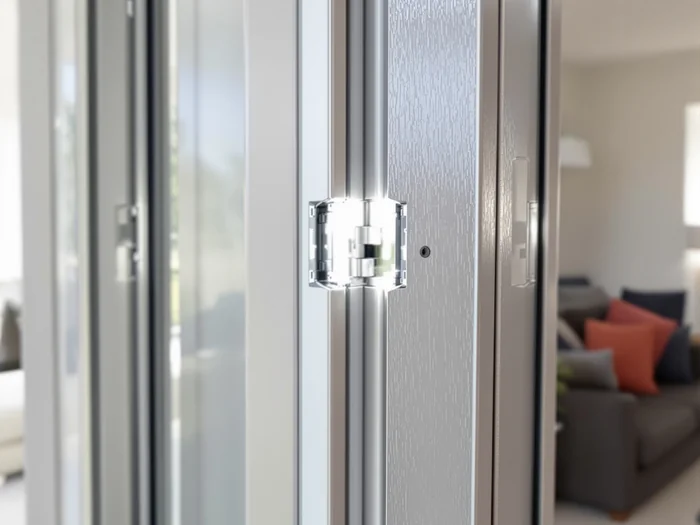
A misaligned bifold door with a visible gap at the meeting stile

A dropped bifold door showing a visible gap — one of the most common callout scenarios

Case Study 1

Dropped Aluminium Bifold — Realignment & Roller Carrier

a northern city · bifold doors in a modern kitchen extension

!The Problem

The homeowner reported that their five-panel aluminium bifold door — installed approximately six years earlier as part of a kitchen extension — had gradually dropped on one side. The lead door was catching on the threshold, the panels were no longer folding smoothly, and the top guide was visibly out of alignment. The door set was still in daily use as the main access to the garden, so the fault was becoming a significant inconvenience.

Diagnosis

The specialist identified two issues: the bottom pivot on the lead door had worn, allowing the door to drop by several millimetres, and one of the intermediate roller carriers had seized due to debris build-up in the track. The aluminium frame itself was structurally sound — no warping or corrosion — so a full replacement was not necessary. The adjustment points on the hinges had been overtightened by a previous attempt to compensate for the drop, which had made the situation worse.

The Fix

The specialist replaced the worn bottom pivot with a matching stainless steel unit, freed and lubricated the seized roller carrier, then systematically realigned all five panels using the hinge grub screws and top-track adjusters. Each panel was adjusted in small increments and tested before moving to the next. The threshold clearance was restored to its original specification, and all panels were lubricated with a silicone-based product suitable for aluminium running gear.

Outcome

The bifold door set opened and closed smoothly across its full travel, with even gaps between all panels and no dragging on the threshold. The homeowner was advised on a simple quarterly cleaning and lubrication routine to prevent debris build-up in the track — a common issue with ground-floor bifolds that open onto gardens or patios. Indicative total cost for this type of repair: in line with the bifold adjustment and roller carrier replacement ranges on our cost guide (£80–£250 depending on parts needed).
Case Study 2

1990s uPVC Patio Door — Failed Gearbox & Misted Glass

a Midlands city · uPVC patio door in a 1990s semi-detached home

!The Problem

The homeowner's uPVC patio door — estimated to be around 25–30 years old — had two simultaneous faults: the lock would not engage because the gearbox had failed internally (the key turned freely with no resistance), and one of the double-glazed panels had blown, with condensation permanently trapped between the panes. The door was the rear access to the property, so both the security failure and the thermal performance loss were urgent concerns.

Diagnosis

The specialist confirmed that the gearbox mechanism — a multipoint strip lock common on uPVC doors of that era — had stripped internally. The keeps on the frame were correctly positioned, ruling out an alignment issue. The glass unit had failed because the perimeter seal had degraded over decades of thermal cycling, allowing moisture to enter the cavity between the panes. The uPVC frame profile was still in good condition: no warping, no rot, and the drainage channels were clear. Replacement of the entire door was not necessary.

The Fix

The specialist sourced a compatible replacement gearbox for the specific lock brand (a widely available multipoint strip), removed the old unit, and fitted the new one — testing the locking action multiple times to ensure smooth engagement with all hook points. For the glass, the failed sealed unit was measured on-site and a replacement toughened double-glazed unit was ordered to the exact dimensions. The new unit was fitted on a second visit, with the beads replaced and the drainage checked.

Outcome

The door locked securely on all points and the new glass unit eliminated the condensation, restoring clear visibility and thermal performance. The homeowner was given care advice for the lock mechanism — specifically, avoiding oil-based lubricants that can attract dust and gum up the gearbox over time. Indicative total cost: consistent with the lock/gearbox replacement (£90–£190) and misted glass unit (£150–£380) ranges in our cost guide, adjusted for the combined visit efficiency.

Case Study 3

Coastal Apartment Slider — Corroded Track & Seized Rollers

a coastal city in the South · aluminium sliding door in a waterfront apartment

!The Problem

The apartment's large aluminium sliding door — a floor-to-ceiling unit opening onto a balcony with sea views — had become nearly impossible to move. The homeowner reported that opening the door required two people, and there was a grinding noise with visible rust-coloured debris in the bottom track. The door had been installed approximately eight years earlier and was exposed to salt-laden air throughout the year.

Diagnosis

The specialist found that the aluminium bottom track had developed corrosion pitting — a known issue with coastal properties where salt spray accelerates oxidation on aluminium surfaces. Two of the four roller wheels had seized completely, and the remaining two were stiff and noisy. The stainless steel roller bearings had also corroded — surprisingly, as stainless is generally corrosion-resistant, but the constant salt exposure had eventually overwhelmed them. The door frame and glass were in good condition.

The Fix

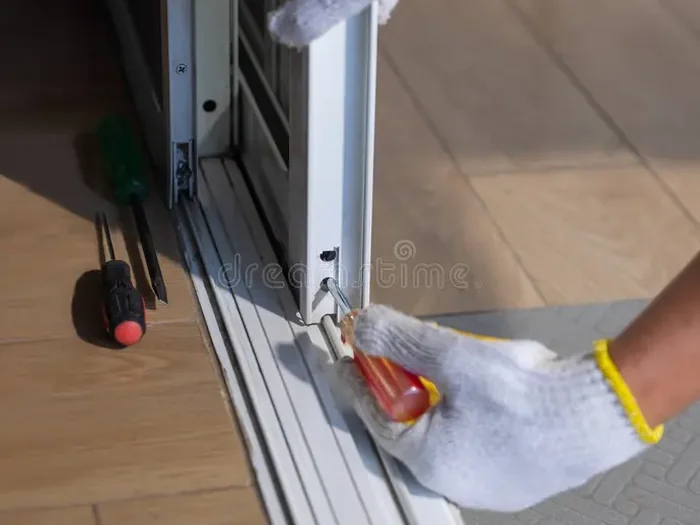
The specialist removed the sliding panel from its frame (a two-person operation given the door's weight), cleaned the corroded track with a specialist aluminium cleaner, and sanded down the pitted areas to restore a smooth running surface. The old rollers were replaced with a full set of marine-grade stainless steel roller assemblies — specifically chosen for their enhanced corrosion resistance in coastal environments. The track was treated with a protective coating to slow future corrosion, and the drainage slots were cleared to prevent standing water.

Outcome

The door slid effortlessly with one hand after the repair. The specialist recommended an annual track clean and inspection — more frequent than the standard advice for inland properties — to catch early signs of corrosion before they affect the rollers. Indicative total cost: at the upper end of the track repair and roller replacement ranges (£160–£250 for the rollers given the marine-grade specification, plus track restoration work), reflecting the specialist parts and additional labour for a coastal property.

Case Study 4

Victorian French Doors — Dropped, Draughty & Restored

a historic city in the South West · timber French doors in a Victorian terrace

!The Problem

The homeowner's original timber French doors — likely dating from the property's construction in the late Victorian period — had dropped on the hinge side, causing the doors to drag on the floor and leaving a visible gap at the top. Draughts were noticeable in winter, and the doors could not be secured properly because the lock keep and strike plate no longer aligned. The homeowner was keen to preserve the original doors rather than replace them with modern uPVC or aluminium units.

Diagnosis

The specialist found that the bottom hinges on both door leaves had worn — a common issue on heavy timber doors of this age, where decades of weight bearing gradually elongate the screw holes and allow the door to sag. The compression seals around the perimeter had hardened and cracked, losing their ability to form an airtight barrier. The timber itself was in remarkably good condition — no rot, no woodworm — confirming that repair was the right approach.

The Fix

The specialist removed both door leaves, packed and re-secured the hinge screw holes with hardwood dowels and adhesive to restore a solid fixing point, then re-hung the doors with the original iron hinges. The doors were adjusted until the gaps were even and the lock aligned correctly with the keep. The perished compression seals were replaced with a modern equivalent — a brush-pile and EPDM rubber combination that sits discreetly in the original rebate without altering the door's period appearance. The hinges were lubricated and the lock mechanism was serviced.

Outcome

The doors closed smoothly and securely, with no draughts and even clearance top and bottom. The repair preserved the original Victorian joinery — character, timber grain, and ironmongery all intact — while bringing the thermal performance closer to modern expectations. The homeowner was advised to check the hinges annually and to avoid painting over the seals, which accelerates perishing. Indicative total cost: consistent with the French door hinge adjustment and seal replacement ranges (£70–£150 for seals, plus hinge restoration labour), a fraction of the cost of bespoke replacement timber doors.

A replacement door gearbox and a misted glazed unit awaiting fitting

A new gearbox and a failed glass unit — both ready to be fitted, both cheaper than a new door

The case studies above illustrate a consistent approach: diagnose properly, identify the specific failed component, replace only what needs replacing, and leave the door operating as it should. In every case shown, a full door replacement was avoided — the repair was targeted, the cost was a fraction of a new door, and the workmanship was guaranteed.

If your door is showing similar symptoms — whether it is a dropped bifold, a seized patio door, a failed lock, or misted glass — the same diagnostic and repair-first approach applies. Every door is different, but the principles are the same: inspect thoroughly, explain clearly, fix honestly.

Every door is different — age, exposure, usage, and build quality all affect what a repair involves. The case studies above illustrate our approach: diagnose properly, explain clearly, fix what needs fixing, and preserve what is still good. If your door needs attention, get a free quote and we will match you with a specialist who takes the same approach.

Got a door problem of your own?

Describe your issue and your city. We will connect you with a vetted local specialist who knows what they are looking at.